A Geoscience Exploration of the Sertão and Beyond
Bahia is often considered the soul of Brazil. As the site of the first Portuguese arrival in 1500, it holds a profound historical significance. The state is renowned for its vibrant Afro-Brazilian culture, heavily influencing the nation's music, martial arts (Capoeira), and cuisine. Geographically, it bridges the lush Atlantic coastline with the arid, semi-desert interior known as the Sertão.
My Ties to Bahia: [Insert brief detail about your connection to Brazil/Bahia here to satisfy rubric].
Geographic Spotlight: One of the most fascinating aspects of Bahia's physical geography is its extreme biome diversity. Within a single state, you transition from the dense, humid Mata Atlântica (Atlantic Forest) on the coast, up into the elevated rocky plateaus of the Chapada Diamantina, and finally into the harsh, drought-resistant Caatinga biome of the Sertão.
Reflection: The Earth testifies of a Supreme Being through its complex, interconnected systems. The precision required to balance the atmospheric currents that bring rain to the coast, while simultaneously carving the ancient, arid rock formations of the Sertão over millions of years, reflects a deliberate and masterful design rather than chaotic coincidence.
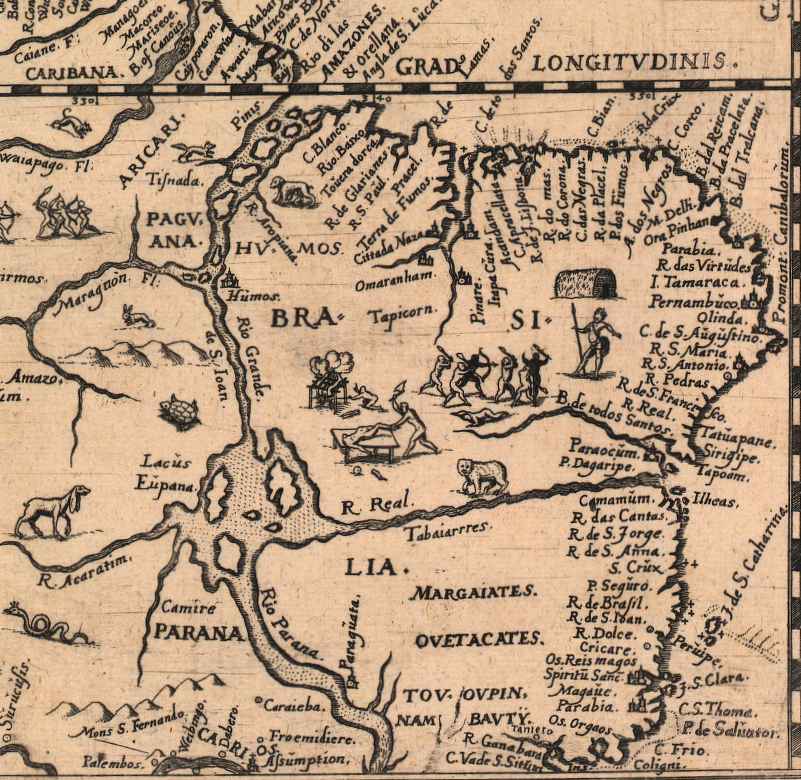
[Placeholder: This section will detail the latitudinal/longitudinal position of Bahia, historical mapping of the Brazilian coast, and relevant cartographic data.]
[Placeholder: This section will explore Brazil's position on the passive margin of the South American Plate, resulting in relative geological stability, and the ancient volcanic history that shaped the Brazilian Highlands.]
[Placeholder: This section will focus on the mechanical and chemical weathering processes that sculpted the mesas and caves of the Chapada Diamantina.]
[Placeholder: This section will analyze the mighty São Francisco River, coastal erosion along Salvador, and the South Atlantic ocean currents affecting the region.]
[Placeholder: This section will break down the mechanics of the rain shadow effect creating the arid Sertão, the tropical monsoon climate of the coast, and the ecological threat of desertification.]
[Placeholder: APA Citations will be logged here chronologically as research is conducted throughout the block.]